Beyond Material Boundaries — Advocating for collaborative decision-making on and around materials for a metamorphic future.
Are materials simply what they are or what larger systems have made possible?
The project started with a straightforward question about alternative materials. It quickly became something else.
No material exists in isolation. Each one is shaped by policy, infrastructure, industrial access, public perception, labor, economics — forces that rarely surface in conversations about material choice. What looks like a design decision is usually the outcome of systems working quietly in the background.
That shift changed the project's central question. Less: what could replace this? More: how do materials get enabled, valued, scaled, and discarded in the first place?
Materials, understood this way, aren't static substances. They're the visible end of long systemic chains.
Investigating how materials become.
Understanding material futures meant moving past innovation into the structures that determine which innovations actually take hold.
Research covered product dissections, lifecycle studies, site visits, expert interviews, policy analysis, and systems mapping. What emerged was consistent: materials are shaped less by breakthrough than by the infrastructures surrounding them. Governance, adoption barriers, consumption culture, end-of-life pathways — these determine material trajectories as much as any new chemistry or process.
The research phase didn't just gather information. It reframed the question from what are materials to what makes materials possible.
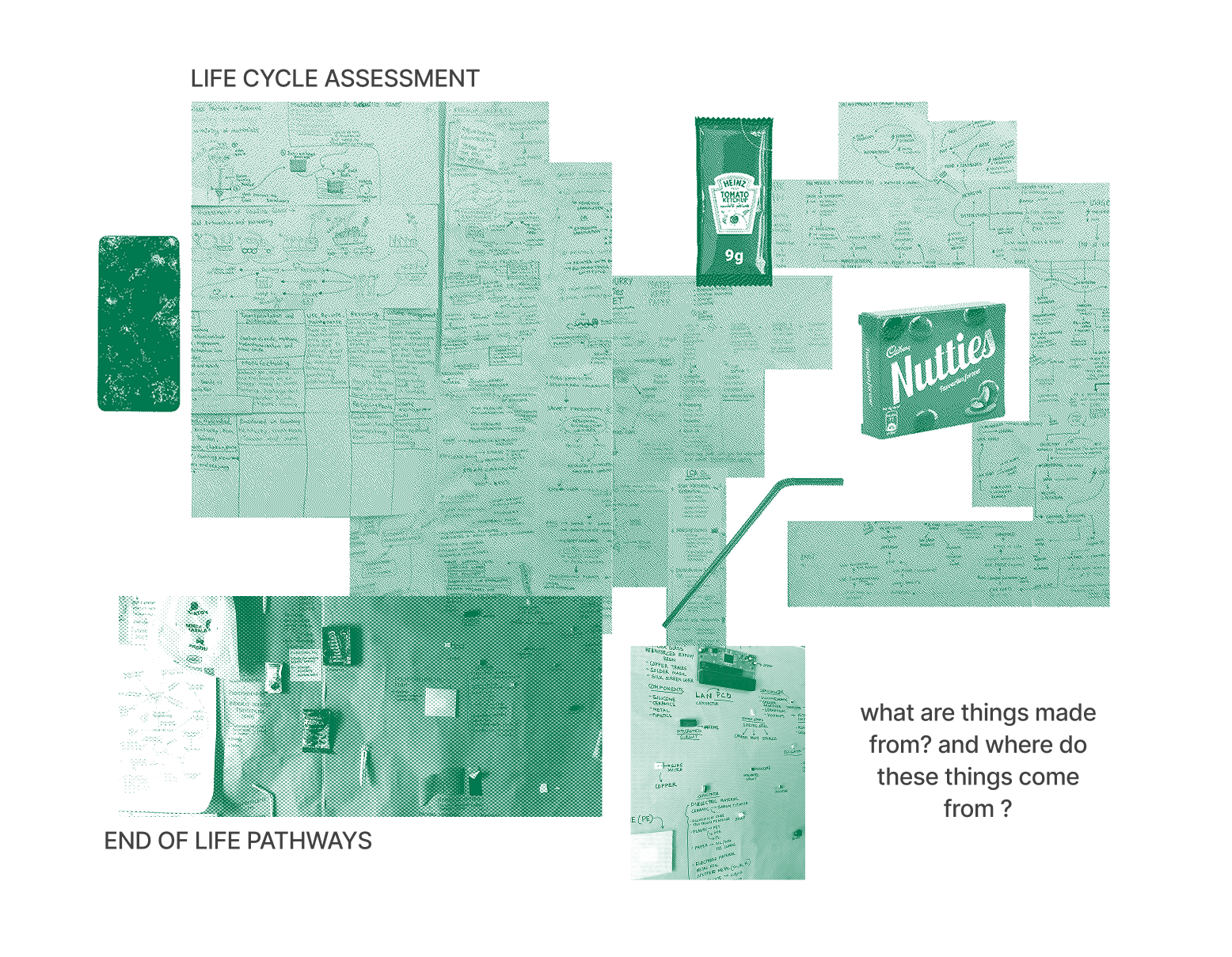
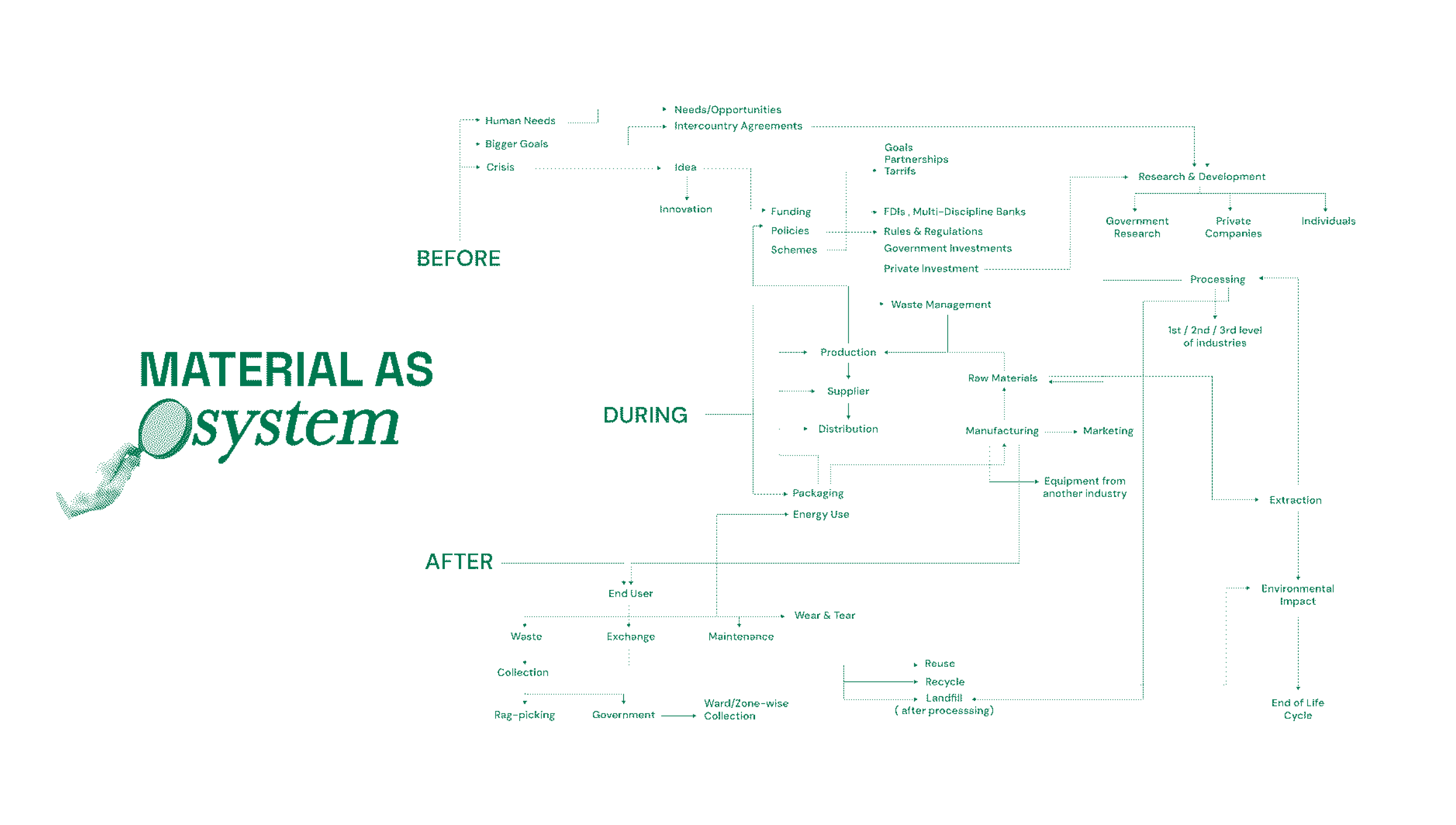
What shapes material futures beyond the material itself?
Patterns kept surfacing. Fragmented policies. Industrial inertia. Adoption gaps. Consumption habits inherited from systems no one consciously designed. Decision-making structures so embedded they'd become invisible. None of these were material problems. But all of them determined which materials succeed, which scale, and which quietly disappear.
That's the reframe: sustainability isn't a substitution problem. It's a systems foresight problem. Better materials exist. What's harder and more consequential is understanding the conditions that allow them to take hold.
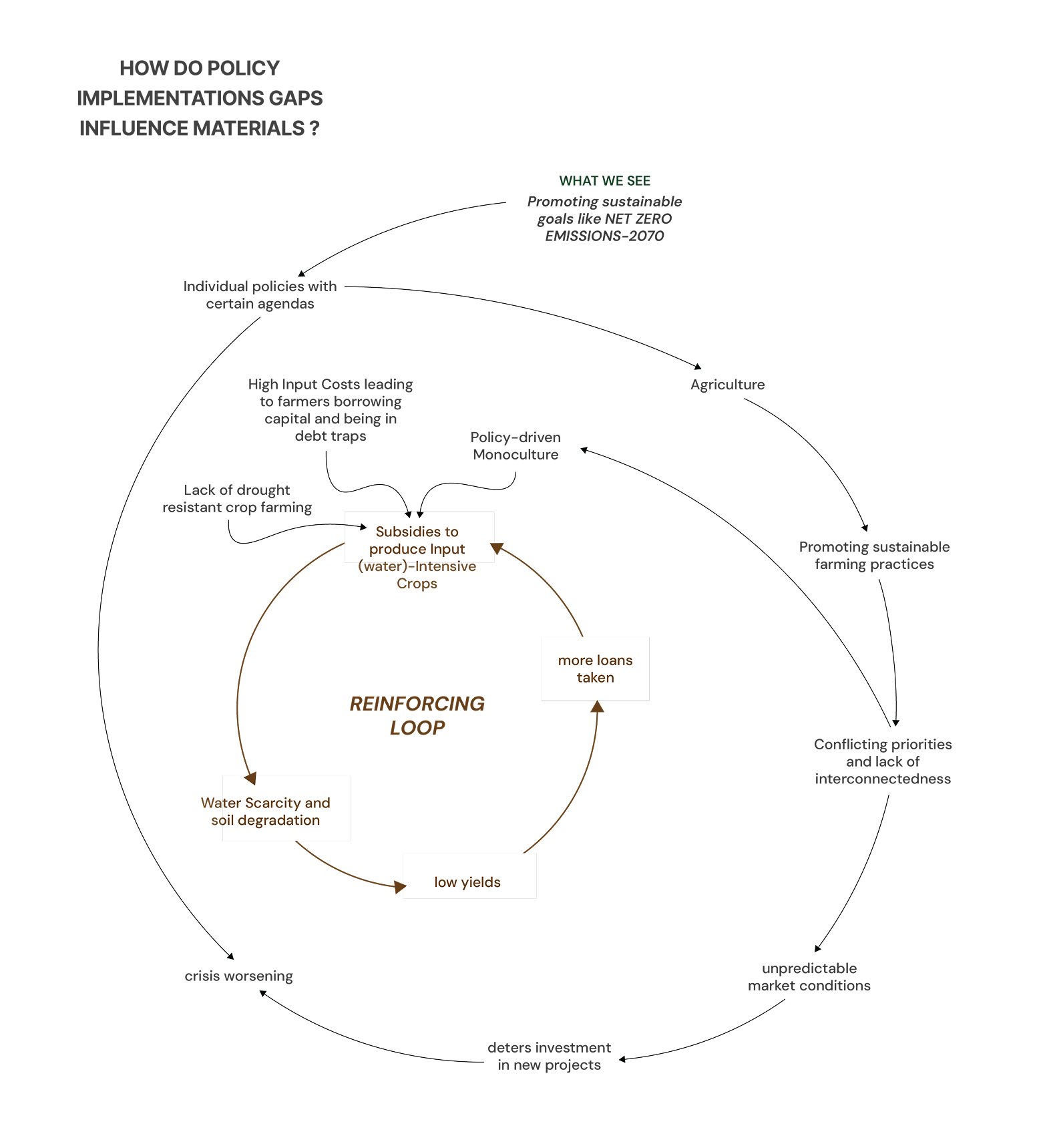
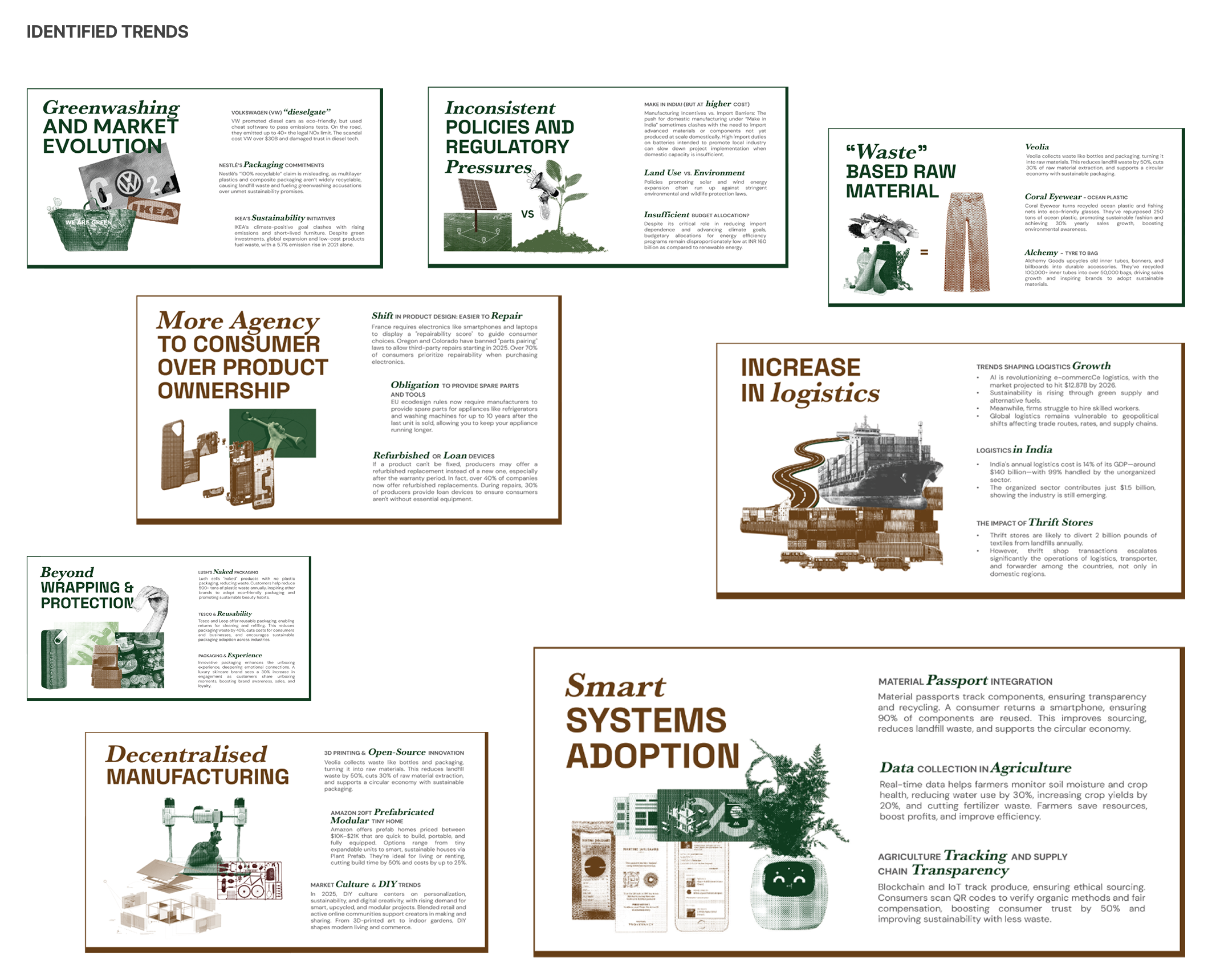
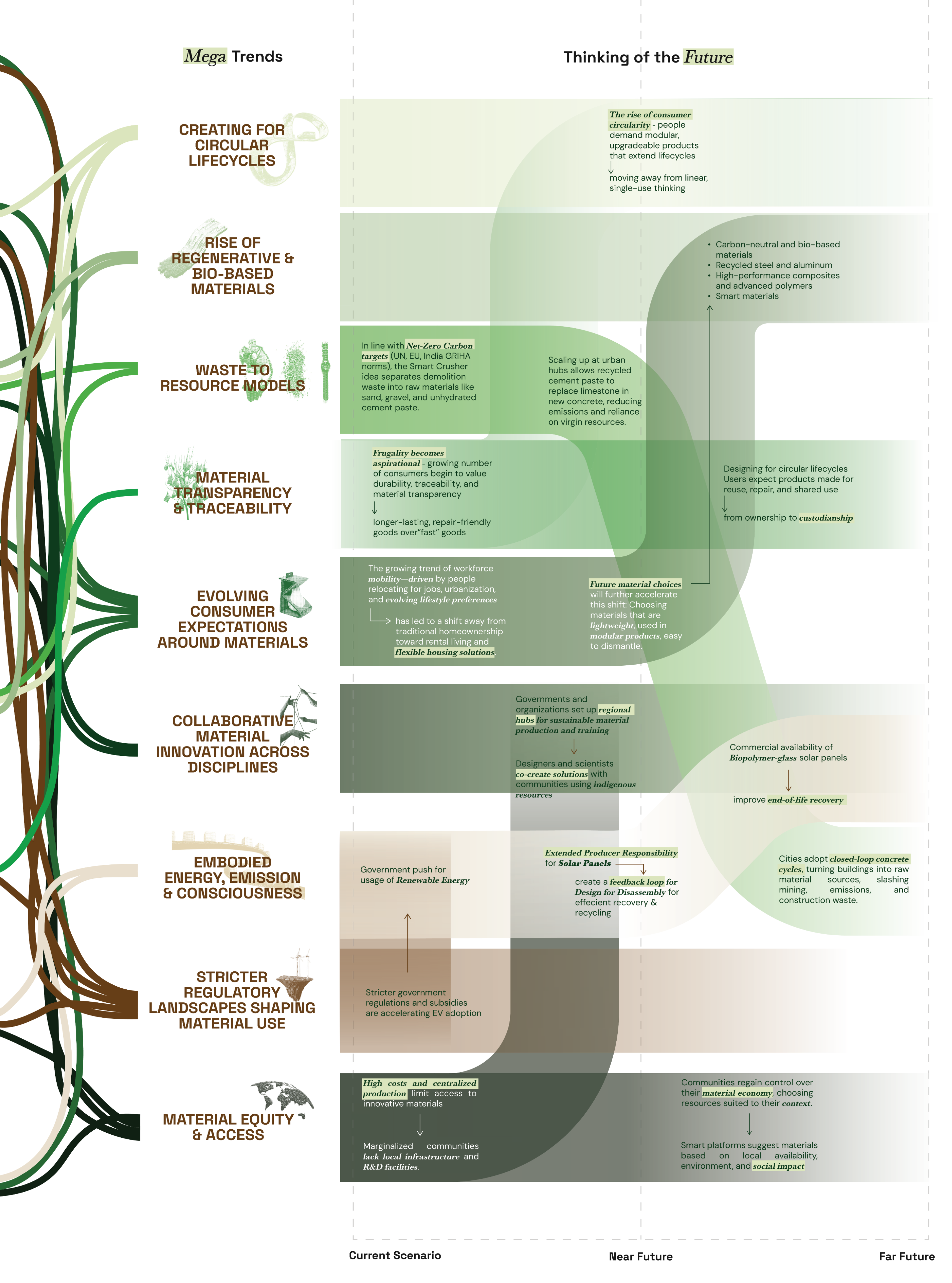
Designing tools to navigate complexity.
Systems research accumulates fast. The harder problem is making it usable.
Beyond Material Boundaries treated translation as part of the design work itself. Through giga mapping, visual synthesis, and a participatory workshop, layered research became navigable — built for understanding, collaboration, and more connected decision-making.
BeyondBoundaries | A Speculative Design Workshop ↗The giga map held fragmented insights together in one interconnected landscape. The workshop made that understanding active, moving it from something to observe into something to think with.
Together, they positioned design as a way of making invisible systems legible — not just solving problems, but surfacing the conditions that create them.
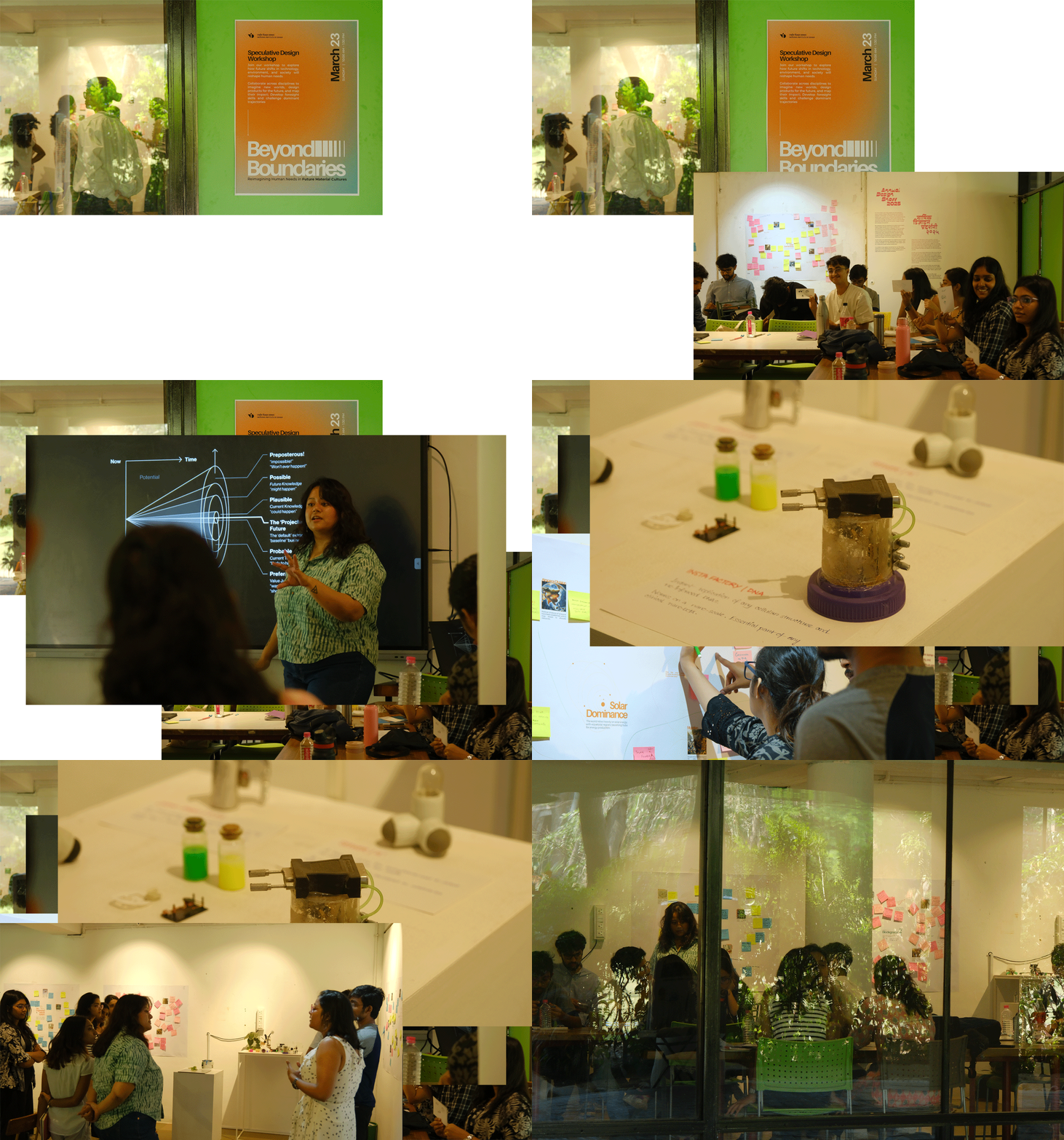
Reading material futures through interconnected systems.
The giga map was designed as a navigational framework rather than a static artifact.
It can be read through multiple interconnected lenses:
Material Flows
How materials move from extraction to afterlife
Stakeholder Networks
Who shapes material decisions across systems
Policy & Infrastructure
What enables, restricts, or redirects material futures
Future Trajectories
How present systems may shape near and far material possibilities
By layering these perspectives together, the map created a broader systems intelligence — allowing material futures to be understood not as isolated innovations, but as interconnected systemic outcomes.
Click to activate, then drag to pan. Use the buttons to zoom, reset, or go fullscreen.
From systems understanding to future possibilities.
The giga map revealed that material futures are shaped not by materials alone, but by the larger systems, decisions, and collaborations that surround them. This shifted the project from understanding existing structures to imagining new ones — opening pathways for more conscious, interdisciplinary, and future-facing material ecosystems.
A set of guiding principles advocating for more collaborative and informed material decision-making.
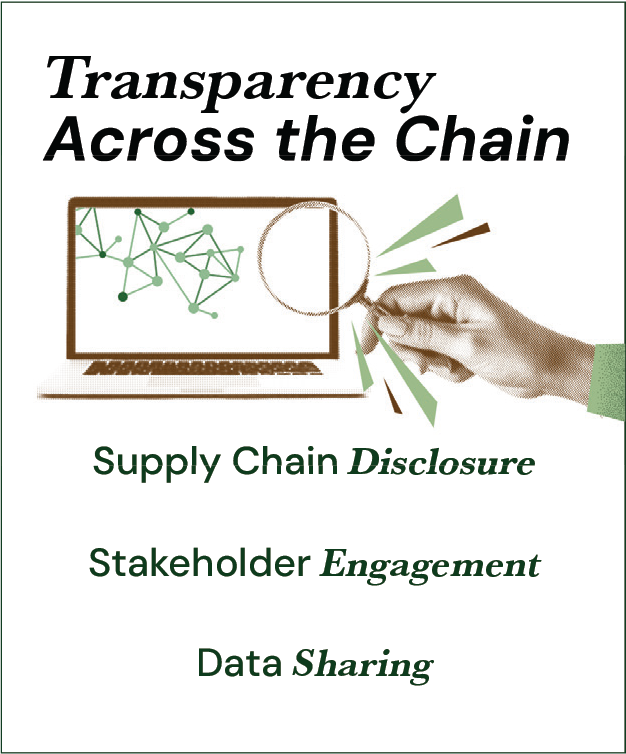 01 / 05
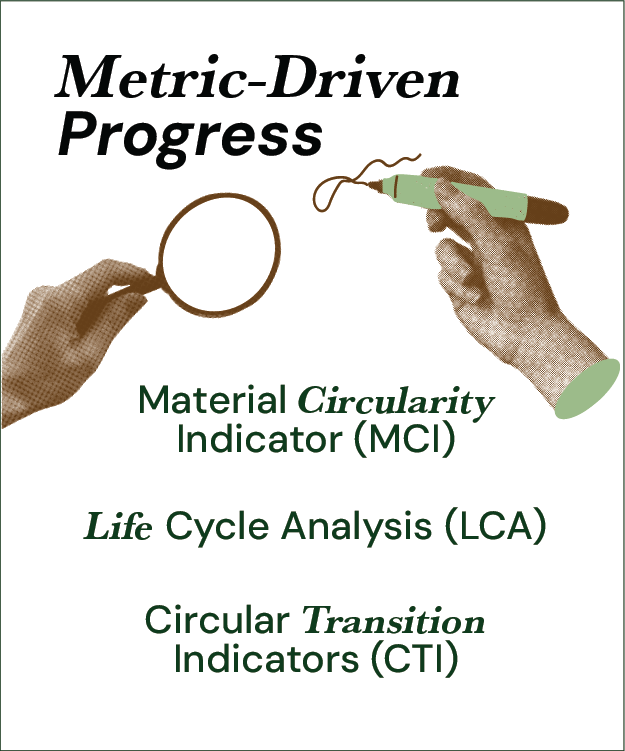 02 / 05
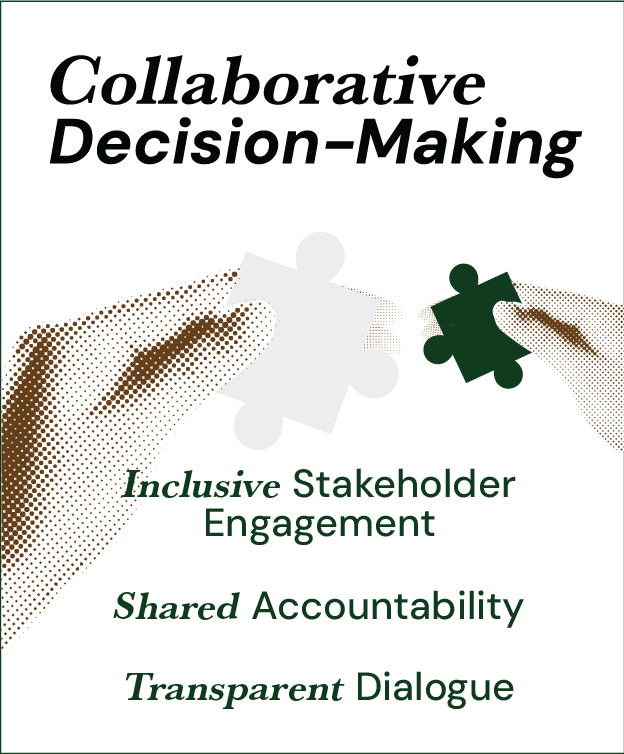 03 / 05
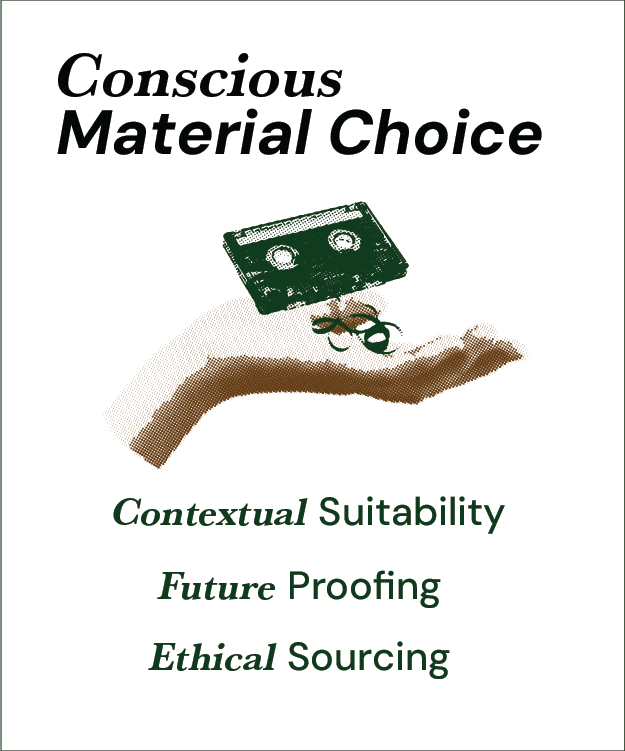 04 / 05
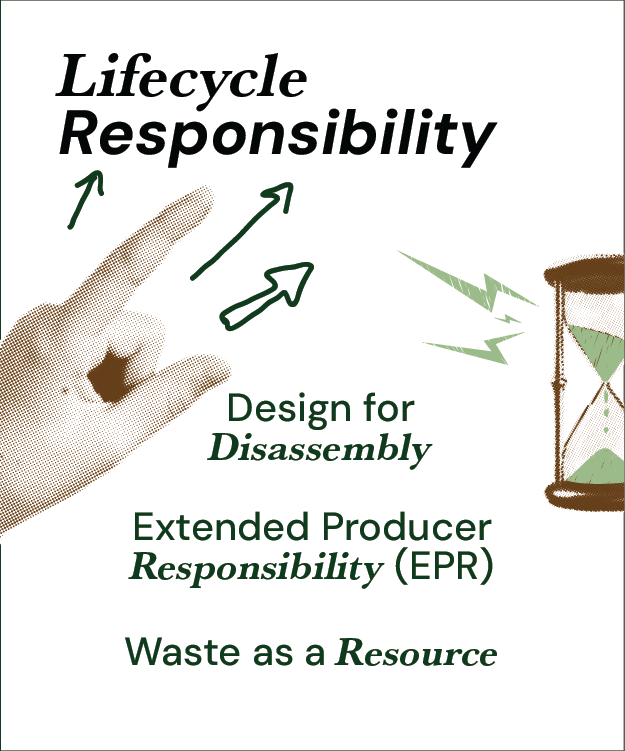 05 / 05
← Drag to swipe →
A conceptual environment designed to foster dialogue, exchange, and collective engagement around material futures.
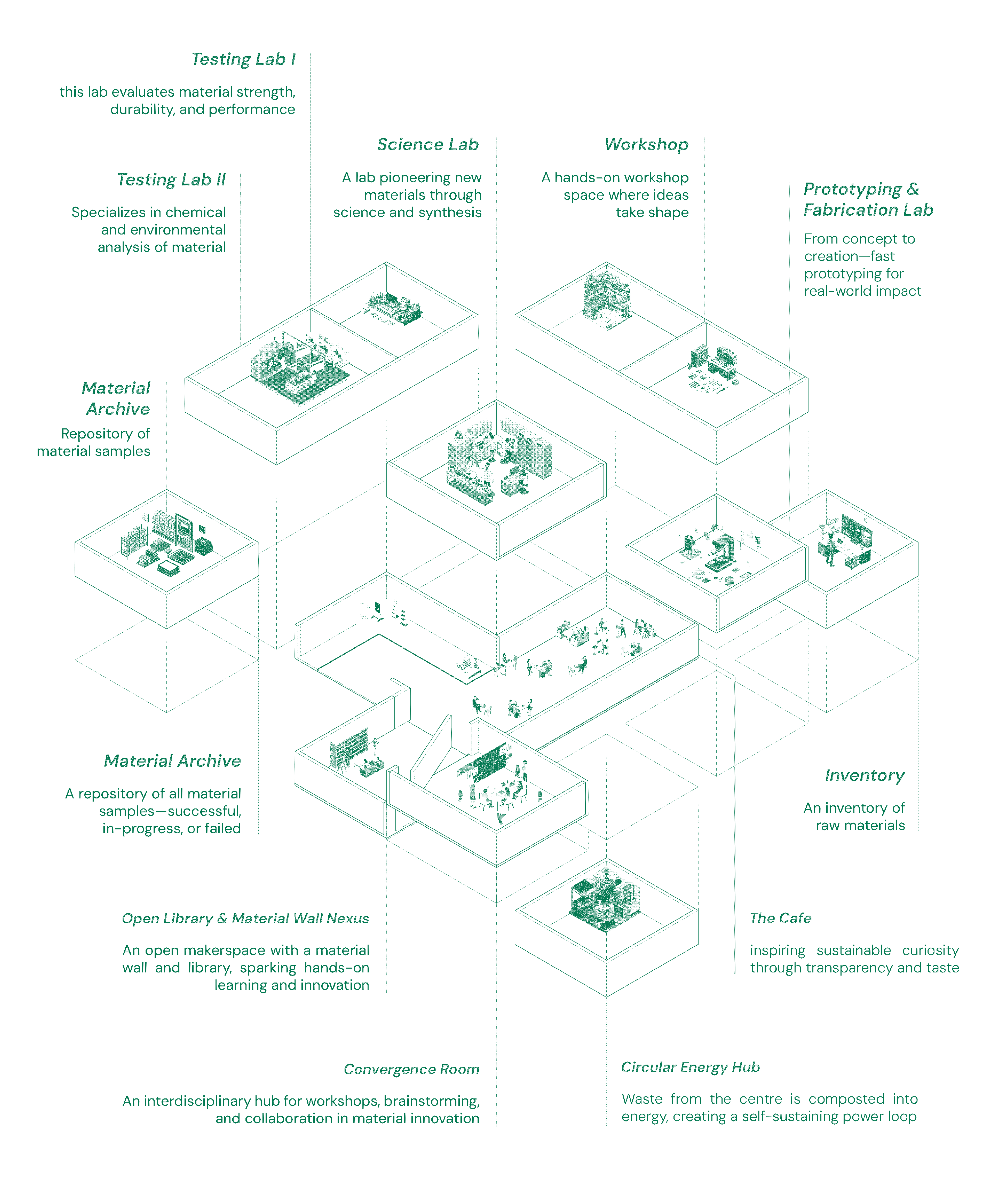
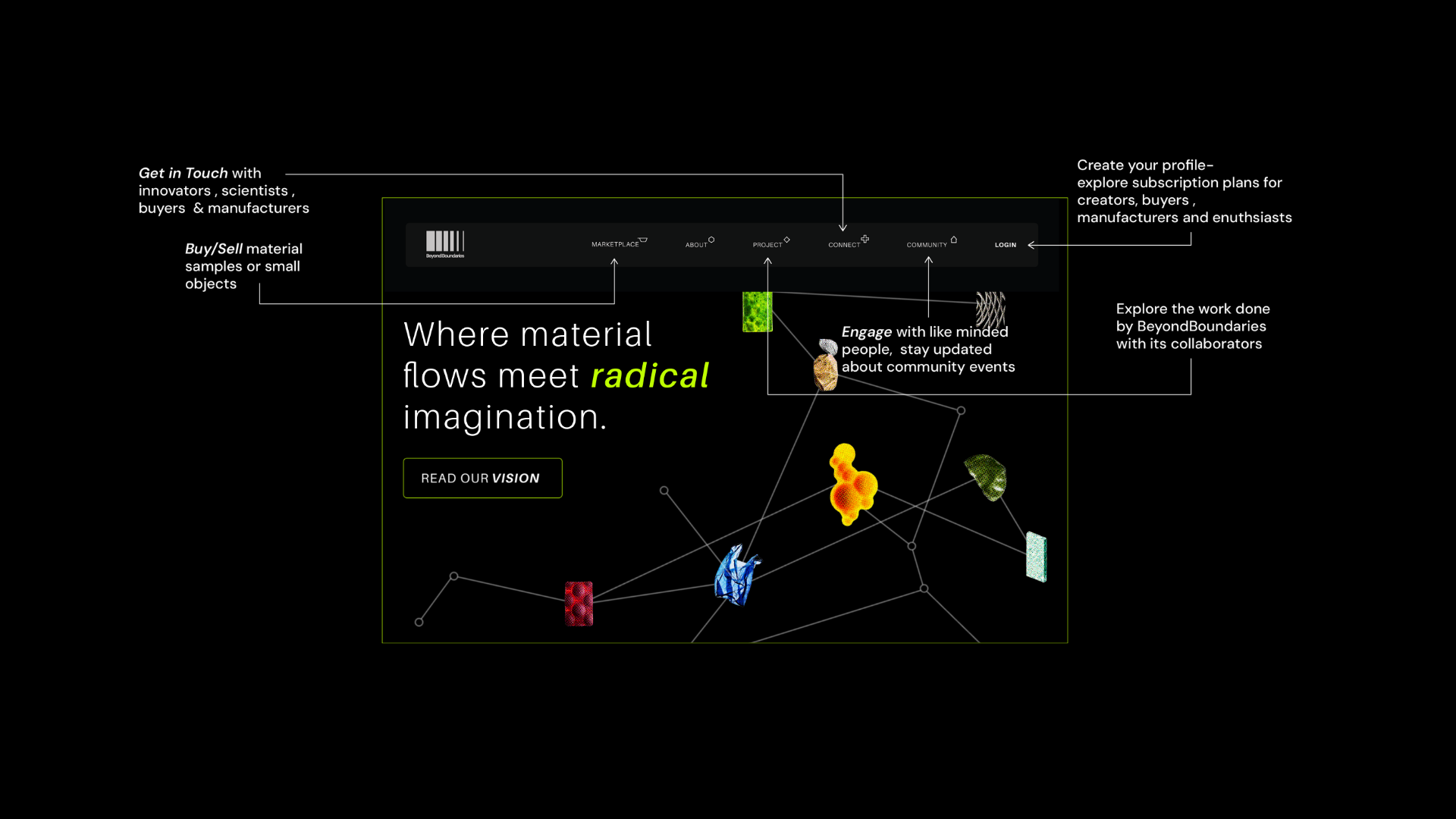
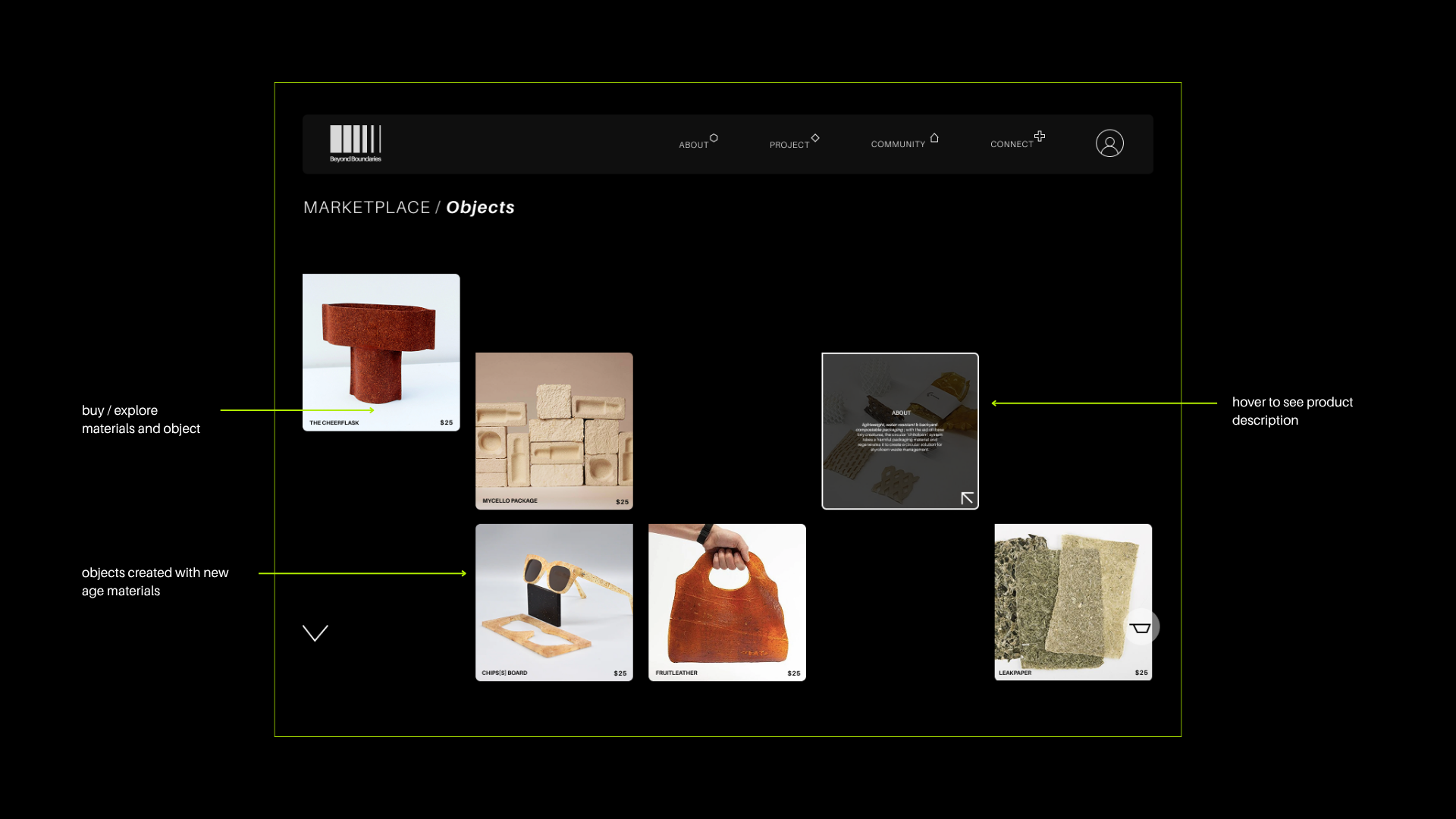
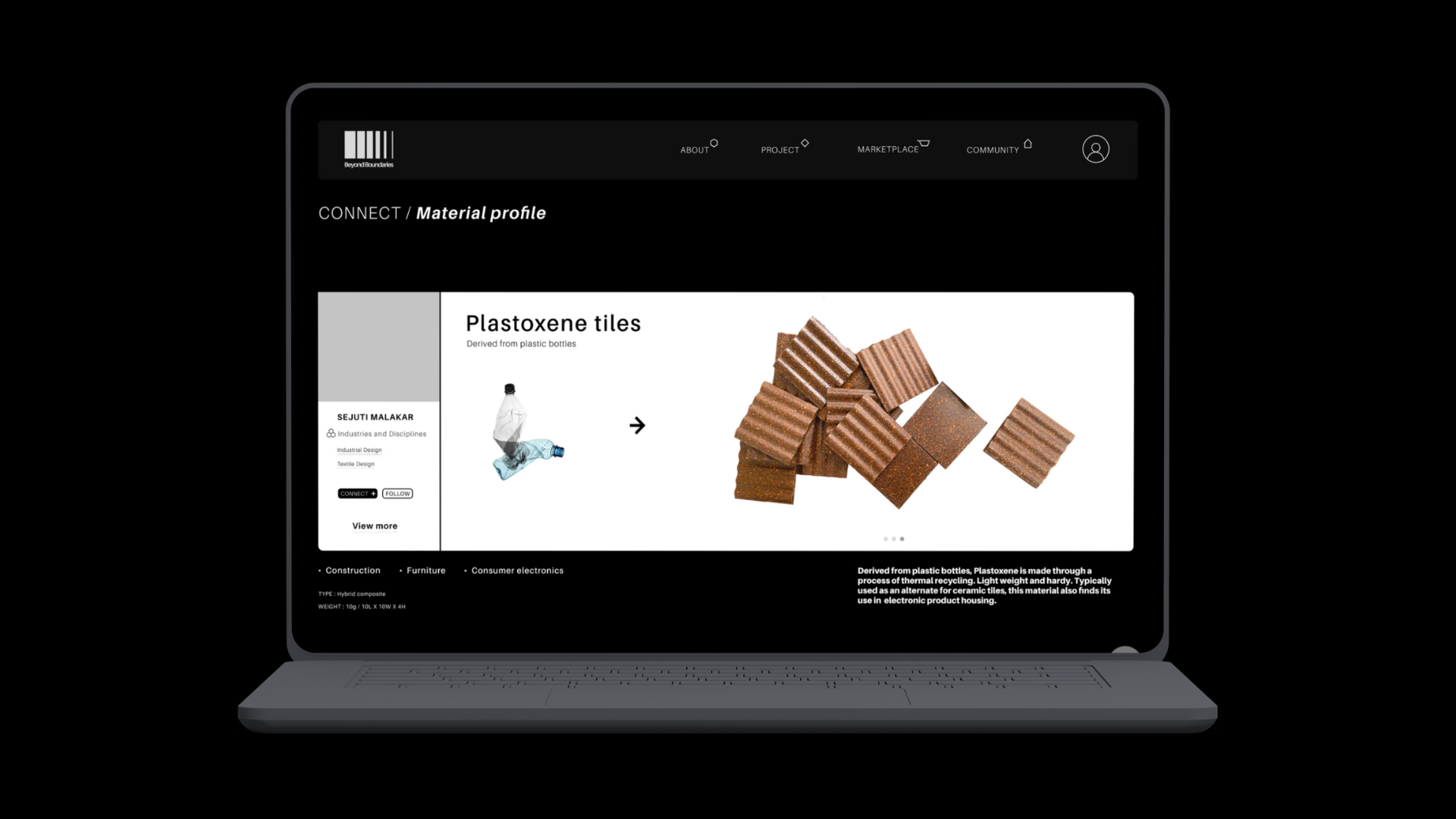
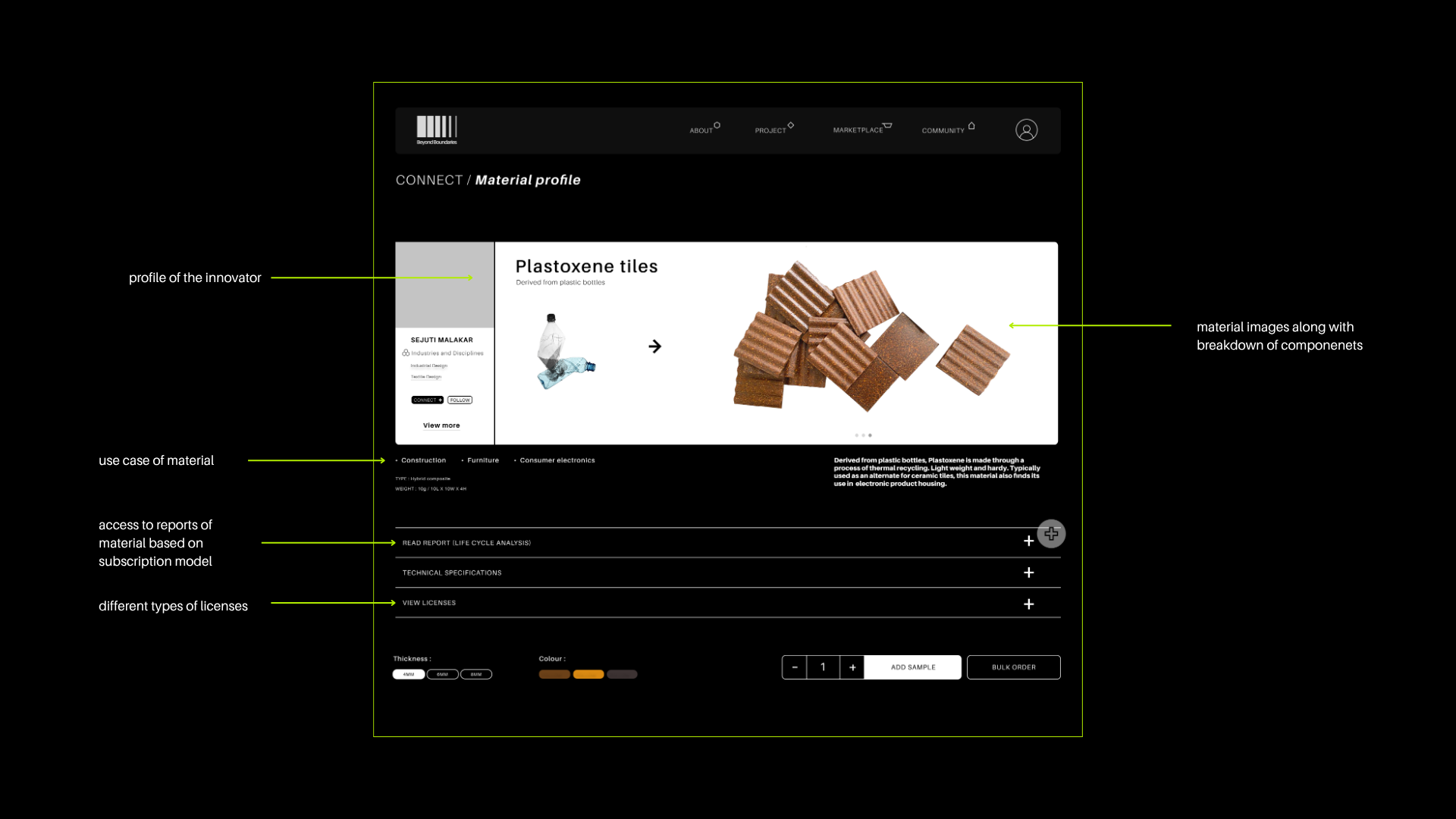
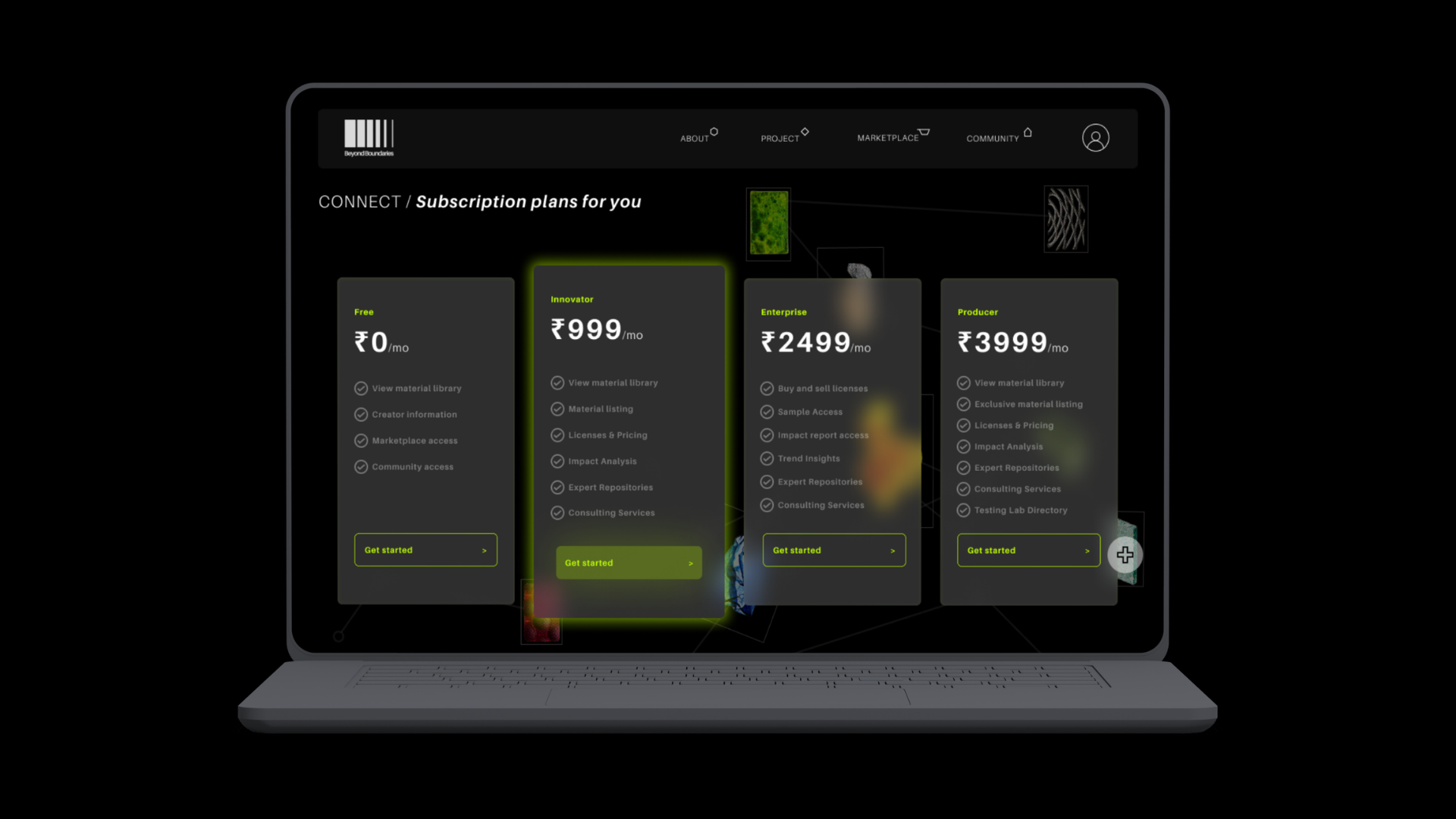
A systems-led digital extension aimed at making material knowledge, collaboration, and future frameworks more accessible.


This project changed what I pay attention to.
Where I once focused on outputs, I now look at the infrastructures and decisions that determine what outputs become possible. Systems thinking stopped being a methodology and became a lens — one that's harder to put down once you've used it.
Sustainability, through that lens, isn't just about better materials. It's about questioning what makes certain material futures thinkable in the first place.