RIDEBUDDY by BOSCH - Designing scalable safety systems for the future of corporate mobility.
Safety as infrastructure
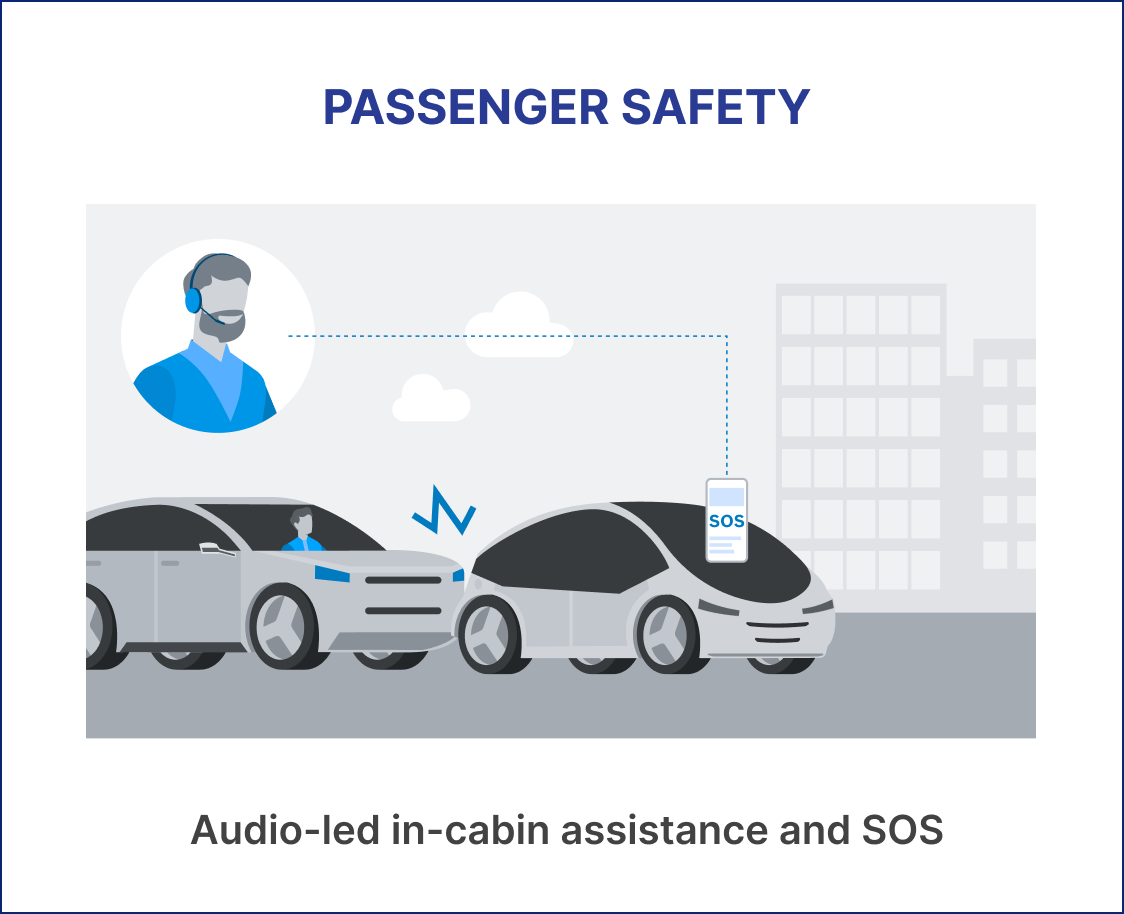
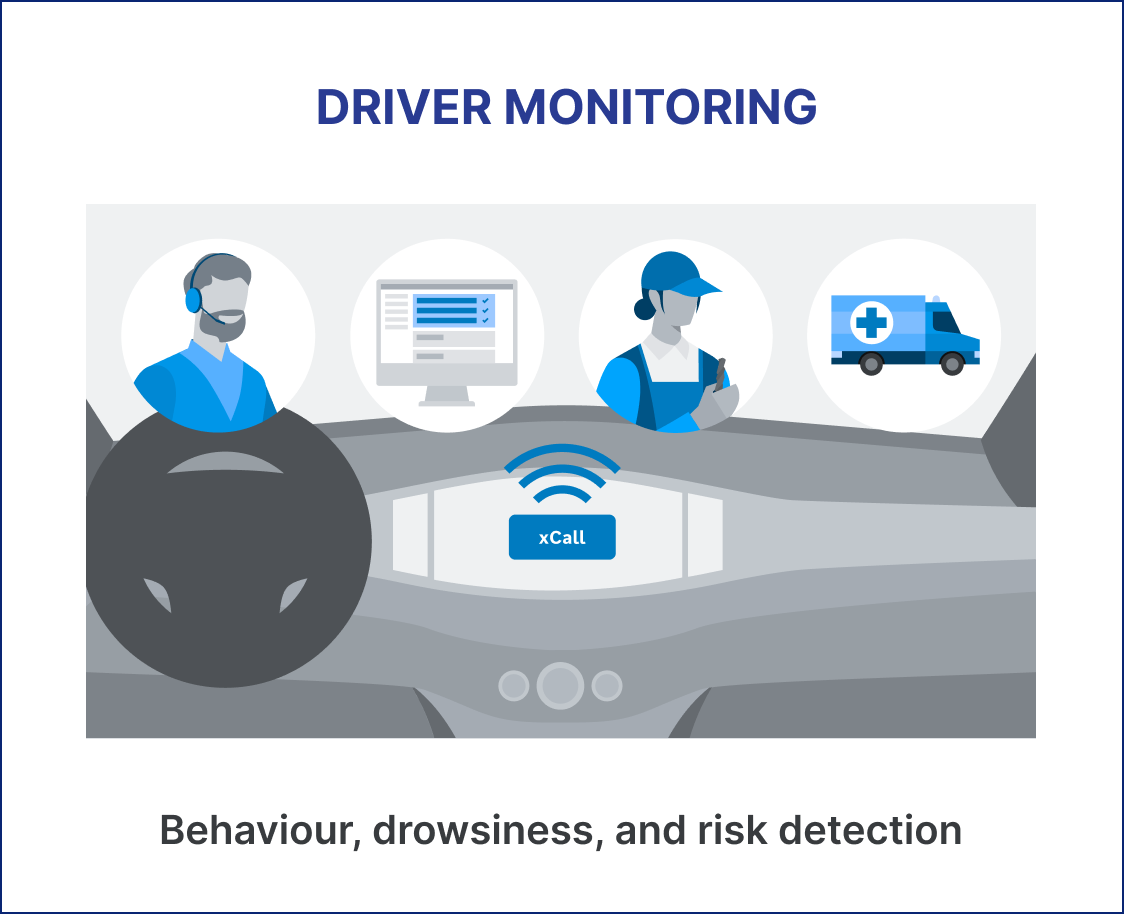
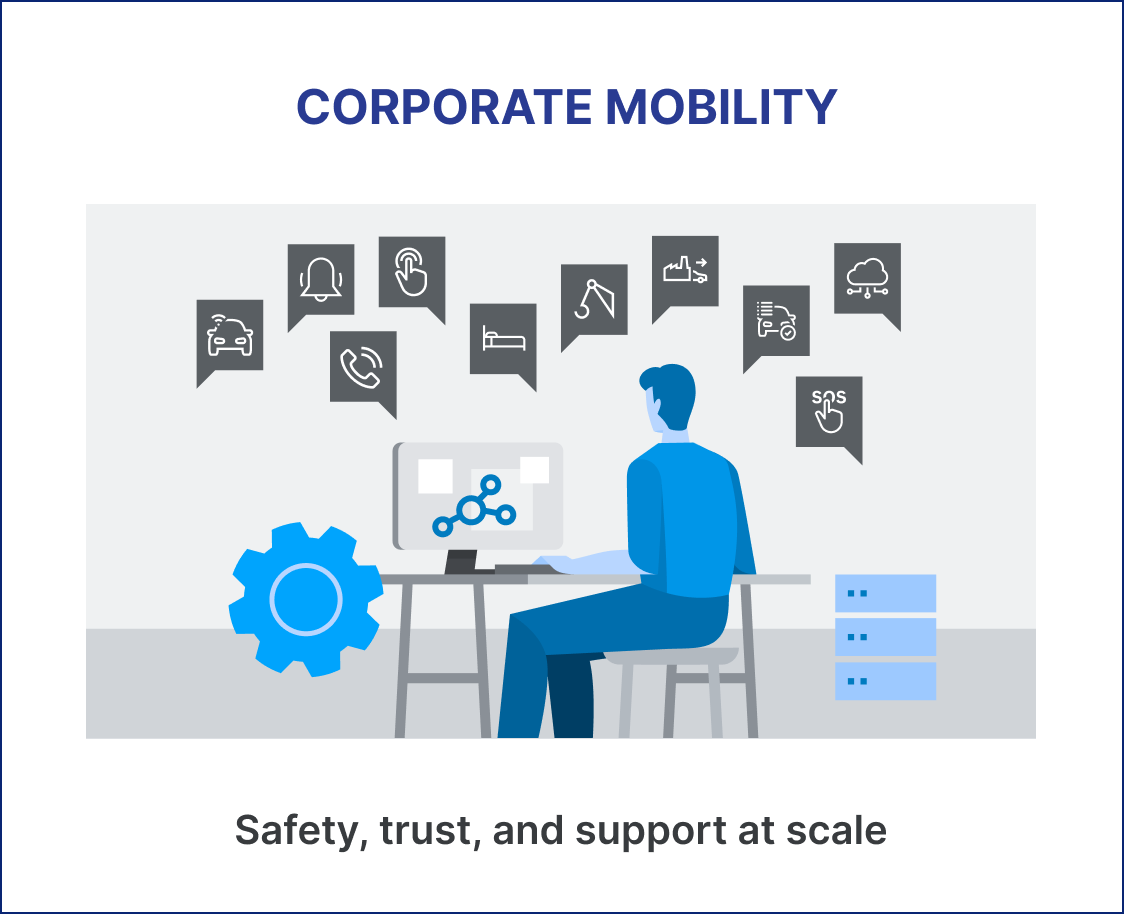
RideBuddy is Bosch's safety ecosystem for corporate fleets. From the moment a driver started duty until the vehicle entered sleep state, the system was active, voice authentication, real-time location, in-cabin monitoring, SOS and E-Call response, rash driving detection, nudges, cloud sync. It worked across passengers, drivers, fleet operators, and transport managers. Account for the full journey, not just transportation.

Form, manufacturing, and what the object communicates.
Redesigning the main in-vehicle compute unit. The existing version had real problems , mounting that limited compatibility, manufacturing issues from the earlier iteration, and a form that hadn't resolved how it should feel in a shared cabin. The work addressed all of it: universal mounting, cleaner manufacturing resolution, and a form and CMF strategy that felt safe and considered without changing the hardware or leaving Ridebuddy's and Bpsch's design language behind.
.png)
Constraints, not a blank page.
RideBuddy was already in pilot; a mature, interdependent system. The ask was to adapt physical deployment for broader fleet compatibility without touching core architecture. Hardware limitations, user perception, brand language, and business scalability all had to move together.
.png)
Listening before concepting.
The process started with Q0 stakeholder alignment across engineering, business, marketing, and cloud. Not just to gather requirements but to understand where priorities sat and where they diverged. That gave the work a clearer picture of what actually needed to change.
Q0 Stakeholder Alignment
Cross-functional insights from engineering, business, marketing, and cloud teams.
Product Ecosystem Audit
Mapping how hardware, software, and service systems function together.
Business Goal Mapping
Defining scalability, deployment, and broader product strategy needs.
Vehicle Architecture Study
Understanding evolving vehicle typologies and mounting limitations.
Usability & Perception Research
Evaluating premium perception, user trust, and in-vehicle integration.
.png)
Shaping future-ready material, finish, and visual continuity strategies.
Deployment logic before formal expression.
Iterative concepting and volume studies explored how RideBuddy could evolve physically while remaining recognisable and functional. The direction that emerged was less about new form, more about expanding the product's reach across newer fleet systems without compromising what already worked.
.png)
Designing for trust is harder than designing for function.
A system can work perfectly and still feel wrong to the people inside it. What this project kept returning to: the compute unit wasn't just a hardware enclosure, it was the most visible signal of whether passengers and drivers felt safe. Getting the form and CMF right wasn't an aesthetic decision. It was the design doing the thing the system was built to do.
Due to confidentiality and RideBuddy’s pilot-stage status, detailed visuals, CMF strategy, and implementation specifics remain protected under NDA. I’d be happy to discuss the broader process, systems thinking, and design approach in conversation. Reach out at prakritibisht2000@gmail.com.